Kenya Advances Plans to Establish New Marine Ramsar Site on the South Coast
The initiative can also help secure funds which support research activities and monitoring work and community-based conservation programs.
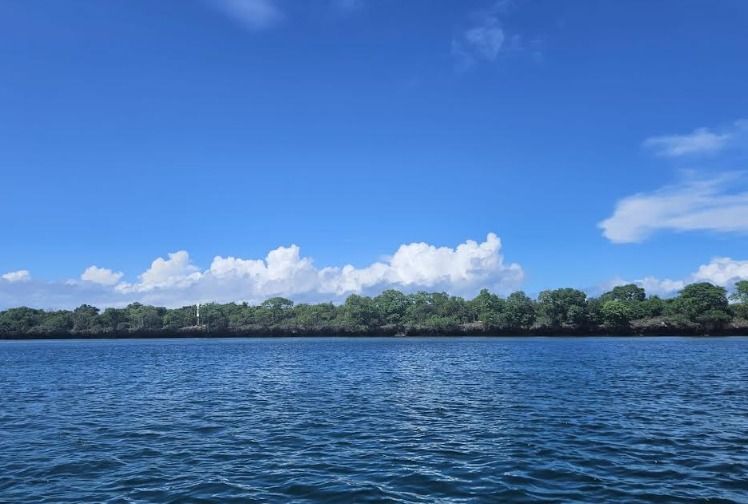
The Ramsar proposal builds on the successes of the Kisite-Mpunguti Marine National Park and Reserve's ten-year management plan (2015–2025). Photo/Courtesy
By Ruth Sang
Kenya starts its process to create a new Ramsar site for the South Coast marine area. The new marine Ramsar site will help protect oceans and improve the economic situation of nearby communities. The Msambweni–Vanga seascape in Kwale County has been proposed as a wetland of international importance under the Ramsar Convention.
The Wildlife Research and Training Institute (WRTI) leads the effort to coordinate research activities and stakeholder engagement which will help the nomination process. The site will extend 700 square kilometers from Msambweni to Vanga if it receives approval establishing one of the largest marine and coastal protected zones in the region.
The proposed designation aims to protect marine and coastal ecosystems while safeguarding the economic activities that depend on these ecosystems according to experts involved with the process. The South Coast communities depend on three main economic activities which include fishing and tourism and ocean-based enterprises that depend on the health of marine ecosystems like coral reefs and mangroves and seagrass beds.
Dr. Mohamed Omar who works as a Senior Principal Research Scientist at WRTI and leads the Coastal and Marine Research Centre in Malindi explained that the initiative belongs to the “Go Blue Programme” which receives funding from the United Nations Environment Programme (UNEP) and the European Union. The programme focuses on building a sustainable blue economy while ensuring responsible management of marine and coastal resources.

Dr. Omar explained that the Ramsar nomination builds on progress made under the Kisite-Mpunguti Marine National Park and Reserve’s ten-year management plan which runs from 2015 to 2025. The plan provided crucial insights about finding conservation solutions which met community needs while showing the advantages of organized marine management.
Conservation stakeholders see an opportunity to extend protection boundaries when the Kisite-Mpunguti plan reaches its finishing point. The new proposal moves away from protecting one area and instead promotes a broader seascape strategy which connects different ecosystems and human activities throughout the Msambweni–Vanga region.
The end of the Kisite-Mpunguti management plan requires our development of an extensive landscape-scale conservation program which links conservation work with sustainable resource use throughout the Msambweni-Vanga seascape according to Dr. Omar.
Proponents of the plan believe that obtaining Ramsar designation will enhance the area’s international stature and bring in conservation partnerships which will improve the area’s sustainable management efforts. The initiative can also help secure funds which support research activities and monitoring work and community-based conservation programs.
The new Ramsar site will strengthen Kenya’s international environmental treaty commitments while showing the country’s dedication to protecting essential coastal and marine ecosystems through environmentally sustainable practices for local communities.
About Author