US senator calls for review of military ties with Uganda after Muhoozi’s controversial posts
Observers say these tensions form the backdrop to the latest dispute and could shape how future U.S.–Uganda engagement unfolds.
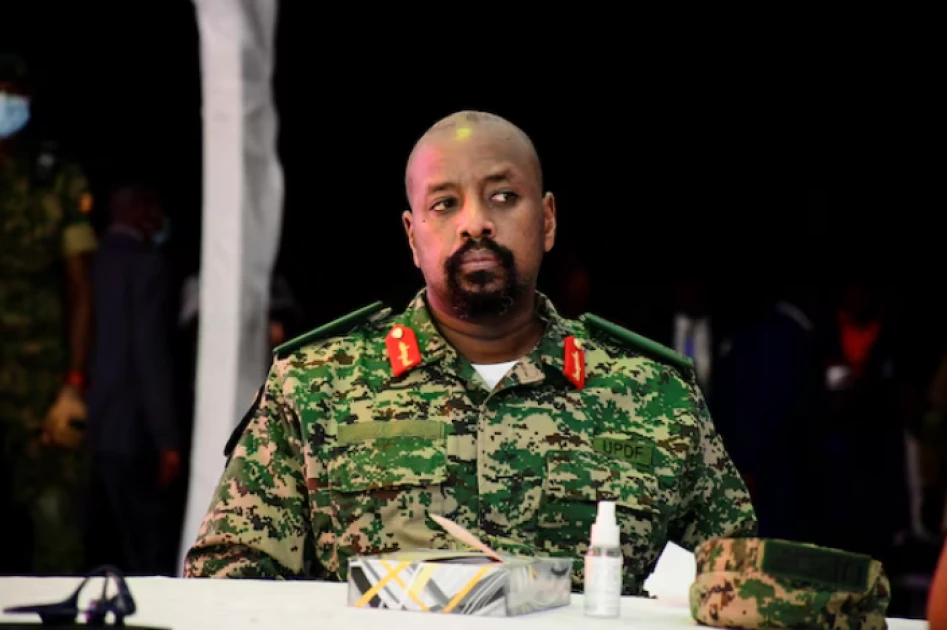
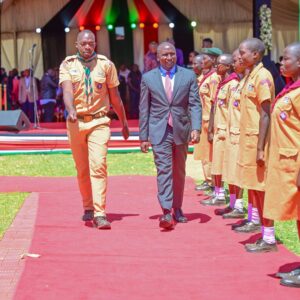
Lt. General Muhoozi Kainerugaba, the son of Uganda's President Yoweri Museveni, who leads the Ugandan army's land forces, looks on during his birthday party in Entebbe, Uganda May 7, 2022.Photo/Courtesy
By Ruth Sang
Chairman Jim Risch of the U.S. Senate Foreign Relations Committee has indicated that Washington might reassess its long-term military and security ties with Uganda because of General Muhoozi Kainerugaba’s social media activity which prompted his controversial statements as Ugandan Chief of Defence Forces and President Yoweri Museveni‘s son.
Risch declared on X that the Ugandan army chief had exceeded his boundaries because he blamed the U.S. Embassy in Kampala for backing opposition leader Bobi Wine during the tense security situation that happened this month. Risch stated that his comments would destroy diplomatic trust which had allowed both countries to work together for many years.
Risch rejected Muhoozi’s explanation because he removed all his posts and apologized to Risch for his mistakes. He claimed that Muhoozi needed to be held accountable for his actions because his military job and his role as a public official required that he face repercussions for his statement.
Risch warned that the United States must now evaluate its entire partnership with Uganda including military ties and potential sanctions. He stated that Washington must react to dangerous behavior because it threatens American personnel and both American strategic interests and civilian safety in the area.
The deleted posts had alleged that U.S. diplomats were working with Bobi Wine around the time of a January 16 security raid on the opposition leader’s residence. The U.S. Embassy has not publicly supported those claims. The same series of messages contained Muhoozi’s announcement which declared the Uganda People’s Defence Forces would stop all their joint regional operations with U.S. representatives.
Within hours, however, the general reversed course. He stated that he had met with the U.S. ambassador but he had received incorrect information about military operations who would continue to operate directly under their established military coordination procedures. He used the tone change to protect relations with international partners whom he described as important to him.
Risch’s response demonstrates that Washington officials become more anxious about security matters which have developed from one online incident into multiple security threats. U.S. lawmakers have recently raised concerns about Uganda’s political environment, particularly surrounding the January 15 presidential election that returned Museveni to power by a wide margin. Critics have raised doubts about the voting process because they cited intimidation and irregularities.
Relations between Kampala and Washington have grown increasingly strained amid reports of election-related violence, suppression of opposition activity, and arrests targeting supporters of Bobi Wine and his National Unity Platform party. Observers say these tensions form the backdrop to the latest dispute and could shape how future U.S.–Uganda engagement unfolds.
About Author