Manchester United Part Ways With Ruben Amorim as Darren Fletcher Takes Interim Charge
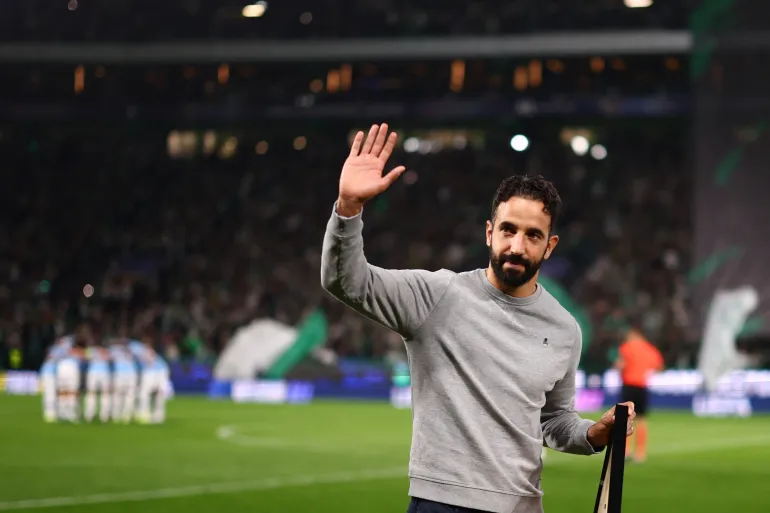
Former Manchester United head coach Ruben Amorim pictured at Old Trafford during his final weeks in charge, following the club’s decision to part ways after 14 months at the helm. Image Courtesy: Al Jazeera
By Rahab Gati
Manchester United have confirmed the departure of head coach Ruben Amorim, thanking him for his service and wishing him well in his future coaching career. The club has appointed former midfielder Darren Fletcher as interim manager as it begins the search for a permanent replacement.
The decision brings to an end Amorim’s 14-month spell at Old Trafford, a tenure that began with optimism but ultimately succumbed to inconsistency on the pitch and growing tensions off it. United currently sit sixth in the Premier League standings, and club officials hope the latest managerial change will restore stability and competitiveness within the squad.
Managing Manchester United has never been just another coaching role. It is a position defined by history, expectation and relentless global scrutiny. For Amorim, those realities became apparent soon after his arrival in November 2024, following an impressive stint at Sporting Lisbon that had marked him out as one of Europe’s most progressive young coaches.
His appointment was widely viewed as a fresh start for a fan base fatigued by years of uneven performances and frequent transitions. There were moments when that optimism appeared justified. United’s run to the Europa League final hinted at progress and suggested the club was rediscovering a sense of purpose under his guidance.
However, domestic form told a different story. In the Premier League, United struggled to build momentum. Promising victories were often followed by frustrating draws, while performances lacked the consistency required to mount a serious challenge at the top end of the table. As results faltered, confidence within the squad and among supporters gradually eroded.
Beyond results, deeper issues were unfolding behind the scenes. Reports of disagreements between Amorim and the club’s hierarchy over recruitment strategy and decision-making authority highlighted an underlying struggle over control and accountability. Amorim publicly expressed concerns that he could not be held fully responsible for results without greater influence over squad building.
That candour, particularly following a draw against Leeds United, proved decisive. While some supporters praised his honesty, others within the club viewed the comments as undermining internal unity, accelerating the breakdown in trust between coach and management.
For many fans, Amorim’s exit feels uncomfortably familiar, echoing previous managerial departures and reinforcing uncertainty about the club’s long-term direction. It has once again raised questions about alignment between the dugout and the boardroom at one of football’s most scrutinised institutions.
As Darren Fletcher steps in on an interim basis, United face a critical period. The club’s leadership must now not only identify the right tactical fit, but also ensure clearer structures, shared vision and mutual trust. Amorim’s brief but eventful spell serves as a reminder that success at elite level depends as much on cohesion and communication as it does on talent and ambition.
For Ruben Amorim, the chapter at Manchester United closes with unfinished business. For the club, the challenge remains unchanged: translating potential into sustained progress in an environment where unity is as vital as results.
About Author